
Starting mediation can feel uncertain — especially if you've never been in a legal dispute before. Whether you're resolving a divorce, real estate conflict, or probate issue, mediation offers a calm, confidential way to reach agreement without going to court.
At SoCal Mediation Center, we help Los Angeles County residents navigate this process with confidence and clarity. Here's what you can expect during your first mediation session.
1. Preparing for the Session
Before the mediation, both parties typically receive:
-
A confirmation notice with the time, date, and location (in-person or virtual)
-
A confidentiality agreement
-
A request for each side to submit a brief summary of the issues in dispute
At SoCal Mediation Center, we also review any prior court filings, property documents, or communications that might help streamline the session.
Tip:
Bring key documents — contracts, title reports, emails, or financial statements — that clarify your position. The more information your mediator has, the smoother the process will go.
2. The Mediator's Role
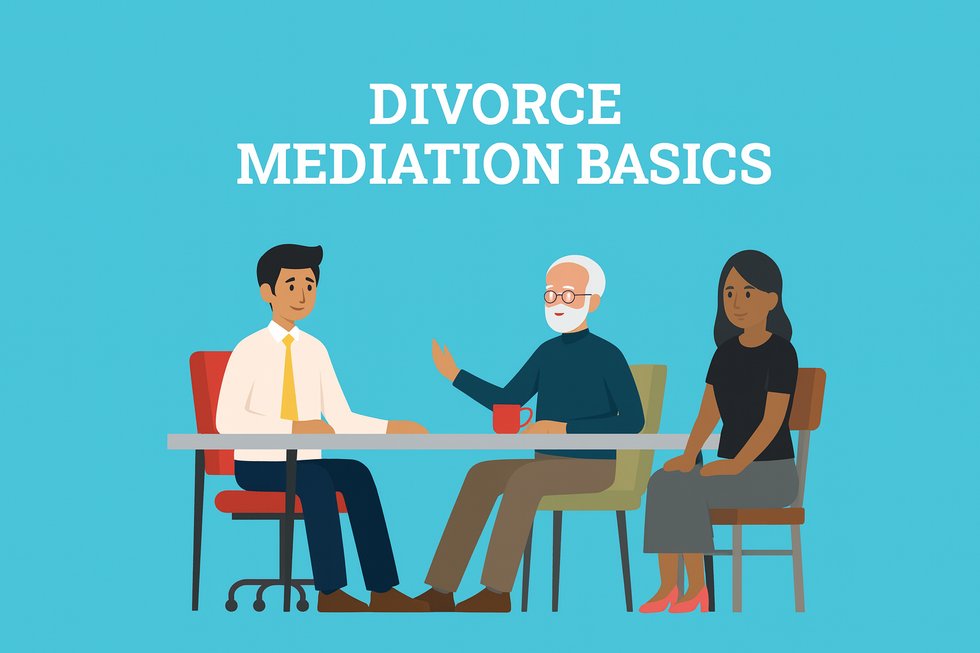
Unlike a judge, a mediator doesn't decide who's right or wrong. The mediator acts as a neutral facilitator who:
-
Keeps discussions respectful and productive
-
Helps both sides clarify priorities
-
Guides you toward possible solutions without imposing one
Our Los Angeles mediators have backgrounds in law, real estate, and family conflict resolution, allowing them to understand both the legal and human side of disputes.
3. Opening Statements and Setting Ground Rules
Mediation typically begins with the mediator introducing everyone and setting expectations:
-
Each party gets uninterrupted time to share their view of the issue
-
The mediator explains confidentiality rules
-
Participants agree to speak respectfully and keep an open mind
This stage helps reduce tension and sets a cooperative tone — especially important in divorce, business partnership, or landlord-tenant cases.
4. Exploring Interests and Possible Solutions
After the opening statements, the mediator begins guided discussion or private caucuses.
These smaller meetings allow each side to speak candidly and explore options such as:
-
Payment plans
-
Buyouts or transfers of property interests
-
Parenting schedules
-
Adjustments to business agreements
The goal isn't to win — it's to find an outcome everyone can live with.
5. Reaching an Agreement
If an agreement is reached, the mediator drafts a Memorandum of Understanding summarizing the terms.
This can later be turned into a court order or binding contract once both sides review and sign it.
Even when full agreement isn't reached, mediation often narrows the issues, making future negotiations faster and less costly.
6. After the Session: Next Steps
Following your first mediation:
-
Each party reviews the draft agreement
-
Your attorney (if you have one) can provide feedback
-
A follow-up session may be scheduled if unresolved items remain
At SoCal Mediation Center, most cases resolve in 1–3 sessions, saving clients thousands of dollars compared to litigation.
7. Why Choose a Local Los Angeles Mediator
Los Angeles County courts actively encourage mediation because of its proven success rate in family, civil, and small-claims matters.
Working with a local mediator means you benefit from:
-
Knowledge of L.A. Superior Court ADR programs
-
Familiarity with community dynamics and cultural nuances
-
Bilingual services (English/Spanish) for inclusive communication
❓ Question & Answer Section
Q1: How long does a typical mediation session last in Los Angeles County?
Most mediation sessions last two to three hours. Complex cases may require multiple sessions scheduled within weeks of each other.
Q2: Do I need an attorney present during mediation?
No. Many clients attend without attorneys. However, you can consult one before or after mediation to review any proposed agreement.
Q3: What if we can't agree during the first session?
That's okay. Mediation is a process. If no agreement is reached, the mediator can help narrow issues for a follow-up session or future negotiation.
Q4: Is mediation confidential?
Yes. California Evidence Code §§1115–1128 protect mediation communications, meaning discussions cannot be used later in court.
Q5: How much does mediation cost?
At SoCal Mediation Center, most cases resolve for $2,500–$6,000 total, far less than traditional litigation, which can exceed $30,000.
Final Thoughts
Your first mediation session isn't about winning — it's about building a path toward resolution.
A skilled mediator helps both sides find common ground, preserve relationships, and avoid the stress of trial.
At SoCal Mediation Center, we provide professional, bilingual mediation services throughout Los Angeles County — including Downey, Burbank, Pasadena, Long Beach, and Whittier.
Ready to Schedule?
Contact SoCal Mediation Center today to schedule your consultation:
📍 Downey, California
🌐 www.socal-mediation.com
See Also:

Comments
There are no comments for this post. Be the first and Add your Comment below.
Leave a Comment